Does a Dog's Bite History Change an Injury Claim in Washington?
Known dangerous dog bite liability in Washington is not a separate legal category, because the owner is already strictly liable for a first bite. What a prior attack changes is the evidence, the number of people who may share responsibility, and the owner's criminal exposure. Each case is different, and a lawyer can tell you quickly which of those apply to yours.
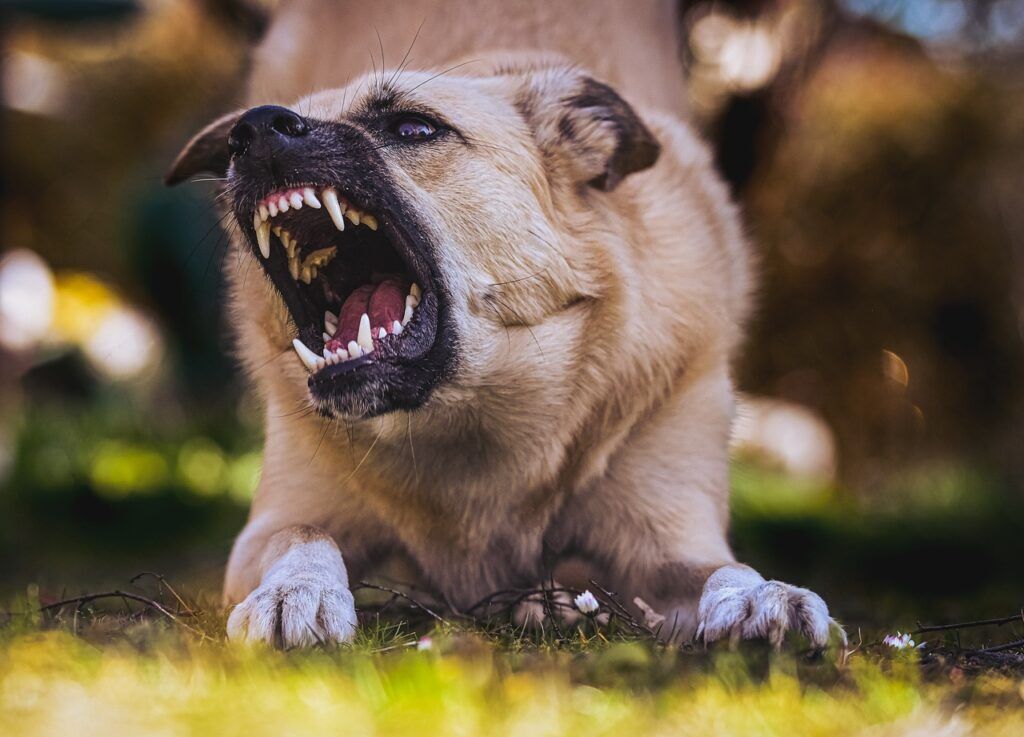
Finding out the dog that bit you had done it before produces two reactions at once: relief that you were right, and anger that nobody stopped it. Washington already holds the owner responsible without proof of history. A documented record reaches further, into landlords, keepers, skipped insurance, and sometimes a felony charge.
Key Takeaways About Known Dangerous Dog Bite Liability
- Owners are strictly liable for bites under RCW 16.08.040 whether or not the dog bit before, so history is not something you must prove.
- Washington does not award punitive damages in ordinary injury cases, so a bite history adds no separate penalty to your recovery.
- A documented history can widen the case to landlords, property managers, and anyone keeping the dog.
- Under RCW 16.08.060, proof that the injured person provoked the attack ends the claim outright, and insurers press that theory hard here.
- Most claims must be filed within three years under RCW 4.16.080, long after proof of a prior bite has vanished.
Official Numbers Behind Repeat-Bite Cases
- The CDC recorded 468 U.S. deaths from being bitten or struck by a dog between 2011 and 2021, and reported that deaths more than doubled between 2018 and 2021 (CDC MMWR).
- An owner of a declared dangerous dog must carry a bond or liability policy of at least $250,000 payable to anyone the dog injures (RCW 16.08.080).
- Under RCW 16.08.100, an owner whose dog causes severe injury or death can face a class C felony even with no prior declaration.
What Counts as a "Dangerous Dog" Under Washington Law?
Washington uses two tiers, and the gap between them decides what the owner was legally required to do. RCW 16.08.070 sets both.
What makes a dog "potentially dangerous"?
A dog is potentially dangerous when, unprovoked, it bites a person or domestic animal, chases or approaches someone in a menacing fashion, or has a known tendency to attack. State law leaves these dogs entirely to city and county rules.
What makes a dog legally "dangerous"?
A dog reaches the higher tier by inflicting severe injury on a person without provocation, killing a domestic animal off its owner's property, or attacking again after a potentially dangerous declaration. "Severe injury" is defined narrowly: broken bones, or disfiguring lacerations requiring multiple sutures or cosmetic surgery.
How a Prior Bite Actually Changes Your Claim
A prior bite rarely changes the liability question, because strict liability already answers it. What it changes is credibility. An owner calling the bite a freak accident is harder to believe once a prior incident report surfaces, and a provocation argument weakens when the dog has lunged at strangers before.
Who else may be responsible once the history was known?
Landlords are the most common answer. A property owner who received a designation notice, or who was told in writing that a tenant's dog had already bitten someone, and who renewed the lease anyway has knowledge a first-bite case rarely has. When a known dangerous dog lives on a property with known hazards, premises liability may compound the claim.
Dog walkers, kennels, and relatives keeping the animal can also be liable, since the definition of owner turns on control rather than paperwork.
Does the owner face criminal charges too?
Sometimes, and it can help your civil case. Under RCW 16.08.100 the state must show the owner knew or should have known the dog was potentially dangerous, and breed alone cannot prove it. A criminal file built around that question tends to produce records a civil claim can use.
SCHEDULE A CONSULTATIONWhere Yakima's Local Rules Add Another Layer
A designation is not automatic, and understanding how one gets made explains why so many aggressive dogs never carry the label.
Inside the City of Yakima, an animal control officer may declare a dog dangerous or potentially dangerous on probable cause, built from written complaints, bite reports, or an officer's own observation. Nobody files that paperwork unless a person reports the earlier incident.
In unincorporated Yakima County, a dog partway up the six-level behavior scale must be kept in a secure enclosure with posted warning signs and liability insurance. That last requirement is the one most often ignored.
Breed plays no part in either analysis. Yakima repealed its pit bull ban effective September 23, 2018 (City of Yakima), and RCW 16.08.110 now limits breed-based rules statewide.
Records That Tend to Matter in a Repeat-Bite Case
Many claimants find it helpful to gather the paper trail before it thins out: prior animal control complaints, Sheriff's Office incident reports, and any written designation notice.
Neighbors often remember incidents nobody reported, and a name written down in week one beats a memory recovered a year later. Photos of the enclosure, gate, and warning signs matter too.
Repeat Dog Attack Questions Answered by Attorneys
How do I find out whether the dog had bitten someone before?
Public records requests to Yakima Police Department animal control or the Yakima County Sheriff's Office usually surface prior complaints tied to an address or owner. Attorneys can also pull quarantine and veterinary records through the claims process.
The dog bit me at a park or on a trail. Does that make the history harder to prove?
Not necessarily, but it changes where you look. Off-property incidents usually have witnesses and no formal report, so the useful evidence is often a neighborhood social media post or another dog owner who recognized the animal. Those leads go cold fast.
My dog was killed by a dog with a bite history. Do I have a claim?
Washington treats pets as property, so the claim exists but is valued differently from a personal injury claim. Veterinary bills and the animal's replacement value are generally recoverable, and the incident itself can trigger the state's dangerous dog rules for the animal that did it.
The Second Bite Was Preventable. That Is the Whole Point.

Someone already knew this dog was a problem. That knowledge sat in a file, a neighbor's memory, or a landlord's inbox, and it did not stop what happened to you.
Kapuza Lighty Accident Injury Lawyers builds these cases from the history forward, and our Yakima personal injury attorneys will tell you honestly whether the record supports a claim. Consultations are free and you owe no attorney fee unless we recover for you.
Call +1 (509) 866-4166 or reach our Yakima dog bite attorneys while those records still exist.
SCHEDULE A CONSULTATION