What Is the Legal Difference Between a Mild and a Severe Brain Injury in Washington?
Doctors sort brain injuries into mild, moderate, or severe using a bedside scoring system, and that one word follows your file into every conversation an insurance adjuster has about your claim. Washington sets no damages cap for injury claims, though insurers often treat a mild grade as if it were one. Each case is different, and a lawyer can help clarify what your records actually say.
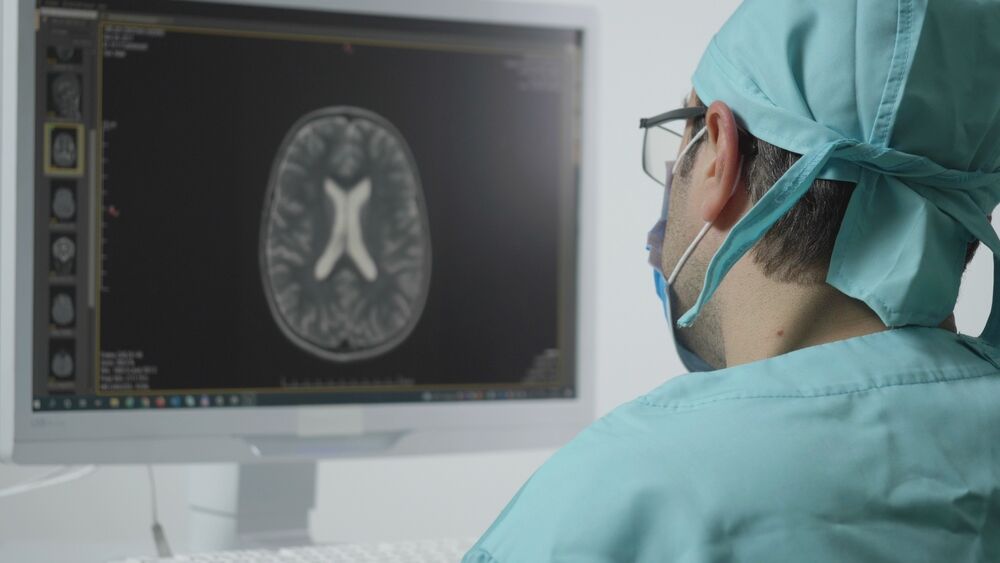
The gap between a mild vs severe traumatic brain injury in Yakima cases is a medical classification, not a prediction about your life. Two people can leave the same wreck on Highway 97 with the same diagnosis and end up somewhere very different two years later. Yet the label assigned in the first hour shapes what an insurer pays and whether anyone takes your headaches seriously.
Key Takeaways About Brain Injury Severity Classifications
- Washington gives you three years from the injury date under RCW 4.16.080(2), no matter how the injury was graded.
- Severity is assigned early, often in an emergency room, before anyone knows how you will function in six months.
- Insurers argue a "mild" grade means a small claim. The grade describes the injury event, not the outcome.
- Our role is to gather the imaging, testing, and physician opinions that show what the injury actually did.
Key Statistics About Brain Trauma in the United States
- The CDC recorded 68,663 TBI-related deaths in 2023, roughly 190 a day.
- A clinical reference hosted by the National Library of Medicine puts the share graded mild at roughly 80%, so most claimants are arguing about that one word.
What Is a Traumatic Brain Injury, and Is a Concussion the Same Thing?
A traumatic brain injury, or TBI, is a disruption of brain function caused by an outside force: a blow, a jolt, or violent movement of the head. A concussion is a TBI, sitting at the mild end of the same scale.
So "it was just a concussion" is a medical description, not a legal one. People who tell an adjuster they only had a concussion are describing what a physician would chart as a mild traumatic brain injury, and that wording costs claims money.
SCHEDULE A CONSULTATIONWhat Do Doctors Mean by Mild, Moderate, and Severe?
They mean a score, taken early. The Glasgow Coma Scale, or GCS, is a 3 to 15 point bedside measure of eye opening, speech, and movement. Defense Health Agency criteria pair it with how long consciousness and memory were disrupted:
| Severity | GCS score | Loss of consciousness | Memory loss after injury |
|---|---|---|---|
| Mild | 13 to 15 | Up to 30 minutes | 24 hours or less |
| Moderate | 9 to 12 | 30 minutes to 24 hours | 1 to 7 days |
| Severe | 3 to 8 | 24 hours or more | 7 days or more |
Why Does a Mild Grade Not Mean a Minor Problem?
Because the grade measures the first few hours, not the next few years. A clinical reference hosted by the National Library of Medicine indicates roughly 10% to 15% of people with mild brain injuries still have symptoms more than a year later.
The word also survives findings that sound anything but mild. Where imaging picks up a small bleed, clinicians often still call it mild, using the term "complicated mild." An adjuster reading only "mild" will not volunteer that.
Common Problems People Face With Severity Labels
Why Do Adjusters Treat "Mild" as a Value Cap?
Because it is the earliest number an adjuster, meaning the insurance employee who prices your claim, can defend. A file marked "mild TBI" opens at a figure built for a short recovery, and by the time symptoms persist that number is set.
Greg Lighty, one of our two founders, worked the other side of this for 15 years before he switched. He has written the memo that turns a diagnosis into a reserve figure.
A second tactic is a defense-hired physician recharacterizing a moderate injury as mild months later. Where the injury did not surface for days at all, our guide to proving a traumatic brain injury when symptoms are not immediately obvious covers those problems.
SCHEDULE A CONSULTATIONWhat Are the Legal Implications of a Mild TBI Diagnosis in Washington?
A mild grade changes nothing about your legal rights, only what the insurer argues. Two rules apply regardless of how the injury was scored.
Three Years to File, With Limited Exceptions
RCW 4.16.080(2) sets three years. RCW 4.16.190 pauses that clock while an injured person is under 18 or cannot understand the proceedings. Claims against a city or county add a 60-day notice step under RCW 4.96.020.
Partial Fault Reduces a Claim Instead of Ending It
Under RCW 4.22.005, your share of fault reduces an award proportionally but "does not bar recovery." Being found 20% responsible does not close the door.
How Does TBI Severity Affect a Car Accident Settlement?
It changes which categories of loss are in play, and that is what moves a settlement range. A mild case centers on treatment, missed work, and the symptoms that outlast both. Higher grades add lost earning capacity, in-home help, and future care priced by a life care planner rather than a bill total. The most serious sit among the severe traumatic brain injuries treated as catastrophic injuries in Washington claims.
Severity also rarely travels alone. High-force crashes produce spinal cord injuries that accompany severe TBI in high-impact crashes, and each one has to be proven and valued separately.
Both attorneys here value every file independently and compare numbers before negotiations open. One published result is a $1.95 million settlement in a car accident traumatic brain injury case. Prior results do not predict any other outcome.
Insurers routinely undervalue what cannot go on a receipt: irritability that costs a marriage, slowed thinking that ends a career.
SCHEDULE A CONSULTATIONWhen Should You Talk to a Lawyer About a Severity Dispute?
When the label and your experience stop matching: symptoms outlasting what discharge paperwork predicted, an offer arriving before you finish treating, or a suggestion that you caused the crash. Our Yakima TBI attorneys who understand severity classifications look at whether the original grade still holds.
Questions Worth Raising at Your Next Follow-Up
Many claimants find it helpful to know what their own chart says before anyone else interprets it. People often ask what GCS score was recorded on arrival, whether the chart notes lost consciousness or a memory gap, and whether a neurology referral was made.
Brain Injury Severity Questions Answered by Attorneys
If the hospital never wrote "traumatic brain injury," do I still have a claim?
Often, yes. Records sometimes say "closed head injury" or nothing more than "head strike." What matters is whether a treating physician links your symptoms to the trauma, not the phrase on the discharge summary.
Can a brain injury be reclassified as more serious later?
The original grade stays in the record, but a diagnosis and prognosis can change. A neuropsychological evaluation, meaning standardized tests of memory, attention, and processing speed, may show more impairment months later than the first assessment captured.
Does a mild grade mean the insurance company will not pay for future care?
No. Future care is proven through treating physician opinions and, in serious cases, a life care plan, not through the grade in the chart. An adjuster who conflates the two is arguing, not stating a rule.
A Label on a Chart Is Not the Final Word
The hardest part of these cases is rarely the medicine. It is being told, politely, that what you live with is not that bad, by someone who has never met you. That happens most often to people who look fine, sound fine, and cannot get through a workday.
Both founders of Kapuza Lighty Accident Injury Lawyers take these meetings themselves, in Spanish or English, at our Yakima office. Nothing is owed unless the case recovers. Call +1 (509) 866-4166.
SCHEDULE A CONSULTATION