How Do You Prove a Brain Injury That Did Not Show Up Right Away?
You prove it by building a record that ties the crash to symptoms a scan cannot see: early documentation, a neurological workup, and testimony from people who knew how you functioned before. Delayed onset is common, but insurers treat the gap between the wreck and the diagnosis as a reason to doubt you. Each case is different, and a lawyer can help identify what evidence yours calls for.
Learning how to prove a traumatic brain injury in Yakima gets harder when the injury did not announce itself. People walk away from a crash on I-82, decline the ambulance, then notice three weeks later that they cannot follow a conversation. By then the accident report says no injury. That is still a provable case, but it has to be built deliberately.
Key Takeaways About Proving a Traumatic Brain Injury
- Symptoms appearing later does not mean the injury happened later. The link between the crash and the injury, which lawyers call causation, is established through medical opinion rather than timing.
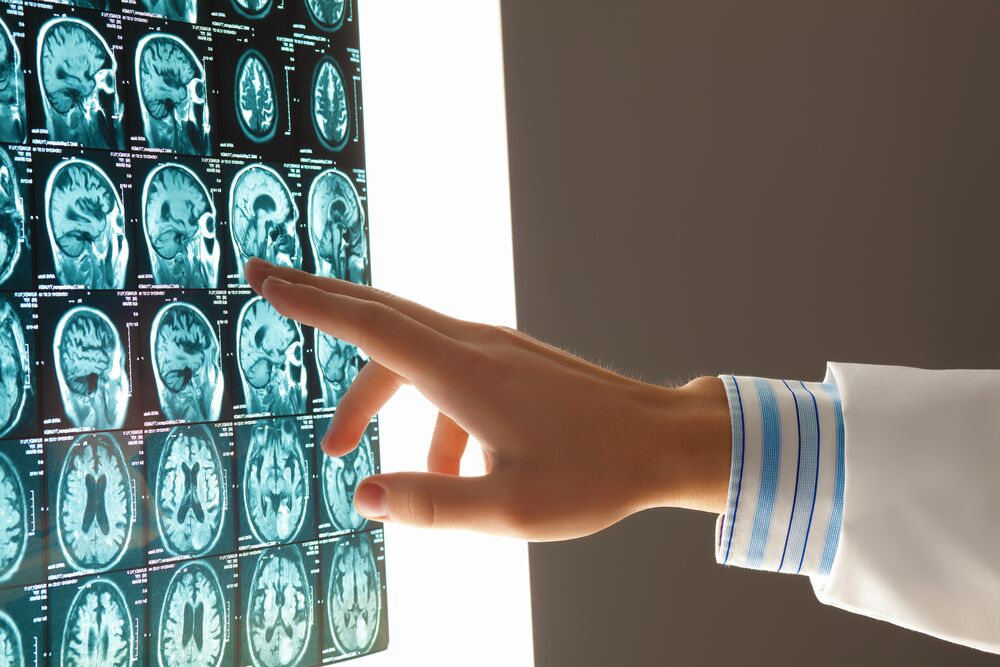
- Standard CT and MRI scans frequently look normal after a concussion. A clean scan is not evidence that nothing happened.
- Testing, physician records, and observations from family or coworkers usually carry more weight than imaging here.
- Washington's three-year deadline generally runs from the injury date under RCW 4.16.080(2) rather than the diagnosis date, so a late diagnosis eats into the window.
- Adjusters commonly offer early, then argue the later diagnosis is unrelated.
Key Statistics About Delayed Brain Injury Symptoms
- The CDC states that some concussion symptoms "may not appear for hours or days after the injury", with mood or sleep problems surfacing a week or two out.
- NINDS reports that brain contusions, meaning bruised brain tissue, "can appear after a delay of hours to a day".
What Does a Delayed-Onset Brain Injury Look Like?
It looks like a person who seemed fine, then stopped being fine. Trauma happens at impact, but the swelling and chemical changes that follow take time to show. An emergency room exists to rule out bleeding that could kill you tonight, so a clean scan and a coherent answer get you discharged. That visit is not a brain injury evaluation.
Which Symptoms Tend to Surface Later?
Headaches and nausea often come first. The harder set arrives later: word-finding trouble, short temper, light and noise sensitivity, disrupted sleep, losing track mid-task. Family usually notices the personality changes first.
SCHEDULE A CONSULTATIONCommon Problems People Face With Invisible Brain Injuries
What Is a Treatment Gap and Why Does It Matter?
It is the stretch between the accident and your first visit for the symptoms, and insurers use it to argue something else caused them. The answer is to fill in the record: when symptoms started, who noticed, what changed at home and at work.
Saying You Felt Fine Before You Knew Otherwise
Most people tell the officer they are okay, because in that moment they believe it. Those words come back later as proof of no injury. We work to build the honest timeline instead.
Records That Never Use the Right Words
If no chart entry connects your cognitive complaints to the collision, an adjuster treats them as unrelated. Getting a treating physician to document that link is the most useful single step, and its absence is why so many claims involving car accidents, a leading cause of traumatic brain injuries in Yakima, get undervalued.
What Evidence Tends to Carry the Most Weight?
| Type of evidence | What it typically shows |
|---|---|
| Emergency and urgent care records | Mechanism of injury, loss of consciousness, first complaints |
| Neuropsychological testing, a set of standardized cognitive tests | Measured deficits in memory, attention, processing speed |
| Treating neurologist opinion | The medical link between trauma and symptoms |
| Statements from family and coworkers | Day-to-day change that testing cannot capture |
Proof also sets the range, not just the fact of injury. It helps to understand how TBI severity classifications affect your claim, because the grade in your chart and the proof in your file are separate things.
SCHEDULE A CONSULTATIONKey Laws and Deadlines That Affect a Late Diagnosis
Why Does a Late Diagnosis Put Pressure on the Deadline?
Because the three-year period under RCW 4.16.080(2) generally starts at the injury, not the diagnosis. Someone diagnosed eighteen months out has already spent half the window. Washington recognizes narrow circumstances where a limitation period starts later, and whether one fits your facts is a question for a lawyer, not an assumption.
What If a Public Agency Was Involved?
A separate step applies. Claims against a city, county, or school district require presenting a claim and waiting 60 calendar days before filing suit, under RCW 4.96.020. Fault sharing also surprises people: RCW 4.22.005 reduces recovery by your own share of fault rather than ending the claim.
What Compensation May Include When the Diagnosis Came Late
The same categories as any brain injury claim, plus a fight over the months before anyone had a name for the problem. Medical care, lost income, and reduced earning capacity all run from the injury date, not the diagnosis date.
The non-economic side is where these cases get shortchanged. Insurers value the period of being told nothing was wrong at close to zero, because no chart entry existed yet.
When Should You Talk to a Lawyer About a Suspected Brain Injury?
Before you give a recorded statement, and before you accept anything.
Four situations call for a quick conversation: symptoms starting days or weeks later, an adjuster saying a normal CT ends the discussion, an offer arriving mid-evaluation, or an insurer refusing to authorize a neurology referral. Our experienced Yakima TBI lawyers work to get the record built while it still can be.
SCHEDULE A CONSULTATIONKeeping a Record That Holds Up Later
Many people find it helpful to keep a short daily note from the first week forward: what hurt, what they could not do, what they forgot, how long they slept. Dated entries written as things happen are far more persuasive than a recollection assembled a year later. Asking a spouse or supervisor to write down what they have noticed helps too.
Delayed Brain Injury Questions Answered by Attorneys
How long after an accident can a brain injury still be diagnosed?
There is no medical cutoff. People are diagnosed weeks and sometimes months out, usually once a primary care provider refers them to neurology. The legal deadline is a separate question, and a late diagnosis does not by itself close a claim.
Will the insurance company make me see its own doctor?
Often it will request an exam by a physician it selects, usually called an independent medical examination. Whether you must attend depends on which policy and claim type are involved, so get advice before that appointment rather than after.
Can my own auto policy pay for testing while the case is pending?
Often it can. Personal injury protection, or PIP, pays medical bills and some wage loss regardless of who caused the crash. Insurers must offer it and a driver can only decline it in writing, so many people carry it without knowing. Using it correctly can get you evaluated without waiting on the other driver's insurer.
The Injury Nobody Can See Still Has to Be Proven
There is a particular frustration in being the only person who knows something is wrong. Friends say you look great. The scan came back clean. An adjuster is polite and unmoved. Meanwhile you are writing notes to remember things you never had to write down.
At Kapuza Lighty Accident Injury Lawyers, one of the two founders reads the records himself and sits down with you. There is no charge for that conversation and no fee at all unless the case recovers. Call +1 (509) 866-4166 while the record can still be built.
SCHEDULE A CONSULTATION